
English Teaching Methods: Choosing an Approach for Your Students

A method's name is less useful than understanding what it asks learners to do. Here, we look at several English teaching approaches and the situations in which parts of them may help.
Start with your students' needs
Choosing an approach begins with needs analysis. In an introductory lesson, you can ask about a learner's background, current level, expectations and reasons for studying. The goal helps you decide which activities and support they need.
Students may know their starting point more clearly than the destination. Requests such as wanting to travel, learning for themselves or understanding people from other countries need further discussion.
Two possible needs behind those requests are:
1. Becoming more comfortable speaking
A learner may need to use language they already recognise. Communicative work, lexical activities and task-based learning can provide opportunities to do that. A conversation-led Dogme lesson may also be appropriate.
2. Strengthening particular skills
For example, a student may speak and understand spoken English well but need more support with grammar and writing. You might combine task-based work with explicit language analysis or selective translation, if you share a language.
Once you have a clearer goal, choose the approaches that support it rather than committing to one label for every lesson.
An overview of teaching approaches
1. The audiolingual method: repetition and pattern practice
Audiolingual work involves listening to and repeating model sentences, words or phrases. A typical sequence is:
- The teacher provides a model structure.
- Students repeat it.
- They repeat it again to practise the form.
- The teacher changes one element and students produce the new version.
- The pattern continues.
Used heavily, mechanical repetition can become monotonous and leave little room for communicating meaning.
Brief drills can still be useful for pronunciation or a particular language pattern. Keep a clear purpose and move on to using the language in context, rather than letting repetition occupy most of the lesson.
2. Grammar-translation: use translation selectively
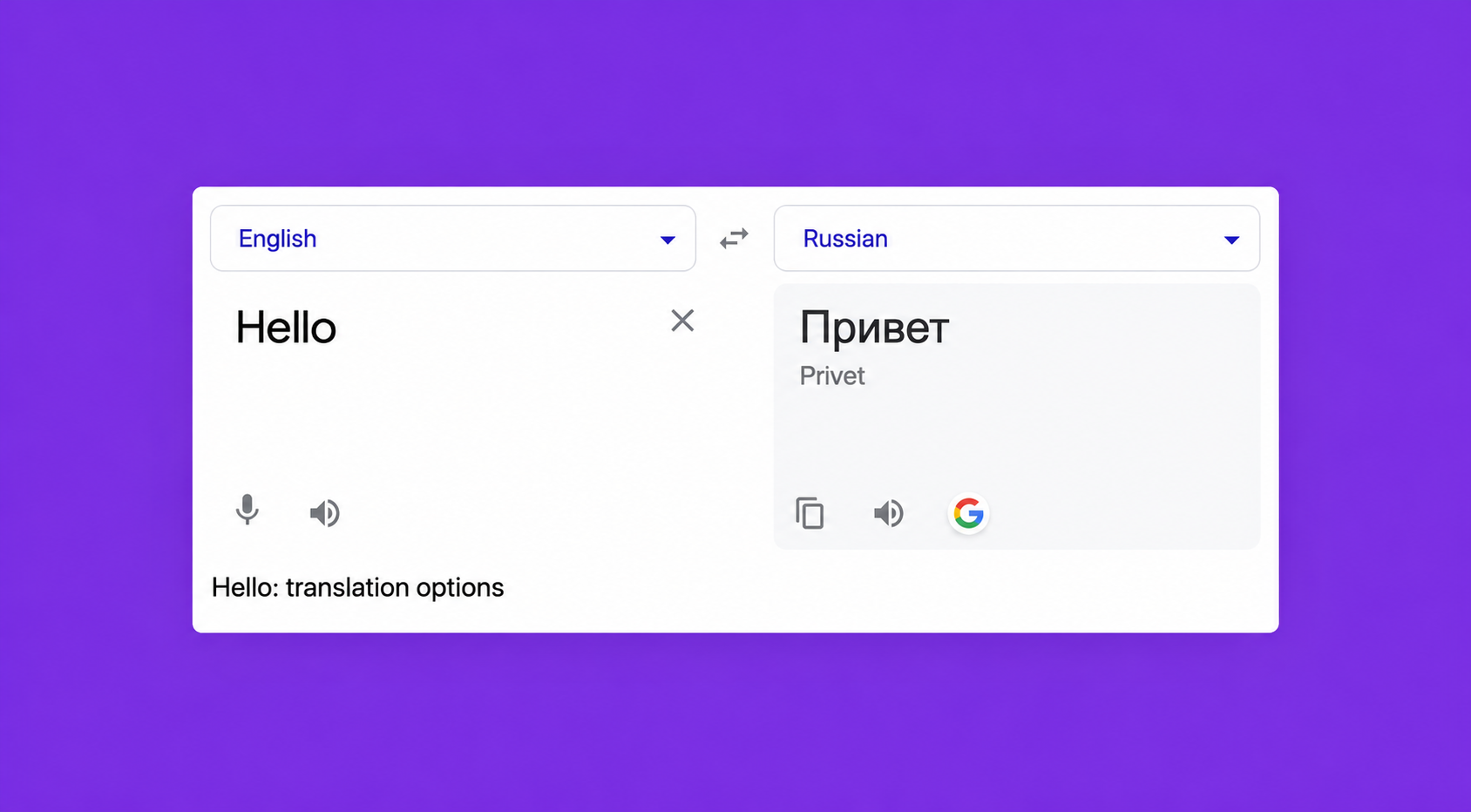
The grammar-translation tradition is associated with studying written language through grammar explanations, vocabulary and translation, including the study of classical languages such as Latin and Ancient Greek.
Those activities do not, on their own, provide practice in spontaneous communication. That does not mean every use of translation is unhelpful.
A short translation can be a direct way to explain a meaning when teacher and learner share a language. Decide what it helps the student understand, then give them opportunities to use the English.
3. Dogme: conversation-led, materials-light teaching
Dogme is both an approach and a teaching movement that questions over-reliance on ready-made coursebooks and predetermined material.
The lesson develops from the learners' conversation and the language that emerges. A teacher responds to what students want to express, drawing attention to useful language and using materials only where they serve that work.
It requires the teacher to listen closely and make informed decisions in the moment. You might try a conversation-led lesson when a familiar coursebook routine needs a change, using a relevant text, video or dictionary as necessary.
The topic and language demands still need to suit the learner. A low level does not automatically rule out meaningful conversation, but students may need carefully judged support.
4. The communicative approach: using language to convey meaning

Communicative teaching starts from the purpose of language: communicating with other people.
Students talk, interact, role-play and debate in situations where they need to convey meaning, understand someone else or reach a decision.
Communicative principles appear in many coursebooks and can work alongside other activities at different points in a lesson.
5. The lexical approach: noticing language that goes together
Lexical work draws attention to words in combination, rather than only isolated vocabulary items. Learners notice recurring phrases and patterns and practise using them in context.
Examples of lexical chunks include best wishes, nice to meet you and give an opinion. Recognising familiar combinations can help students understand and produce language.
Patterns such as I have never been to Europe, I have never seen a bear and Have you ever seen a bear? can also help learners notice how meaning and form work together.
Students need to know when a pattern is appropriate and have enough practice to adapt it. Choose language they can reasonably understand and use at their current stage, rather than overwhelming a beginner with complex examples.
Materials still need careful selection. Look at how a resource presents language and whether it gives learners enough meaningful practice. A page of useful phrases does not automatically make a complete lesson.
6. Task-based learning: work towards a meaningful outcome
Learners work on a task, such as planning a trip, writing a message, placing an order, developing a project or running a meeting. They use the language they have to reach the outcome. The teacher can then help them notice and improve language they needed, including vocabulary, grammar and useful wording.
Group tasks give students a reason to collaborate. Planning still matters: consider the task's demands, the support learners need and how you will review both the outcome and the language.
7. Target-language immersion: judge the support learners need
In a target-language classroom, the target language is used for instructions and routine interaction as well as practice activities.
This can expose learners to more language and cultural context, but the teacher's decisions about clarity and support matter.
Consider learners' previous experience, confidence and understanding. Using some shared language where it helps does not make the lesson a failure. Do not assume everyone will respond in the same way to a target-language-only classroom.
8. Total Physical Response: connect language with movement
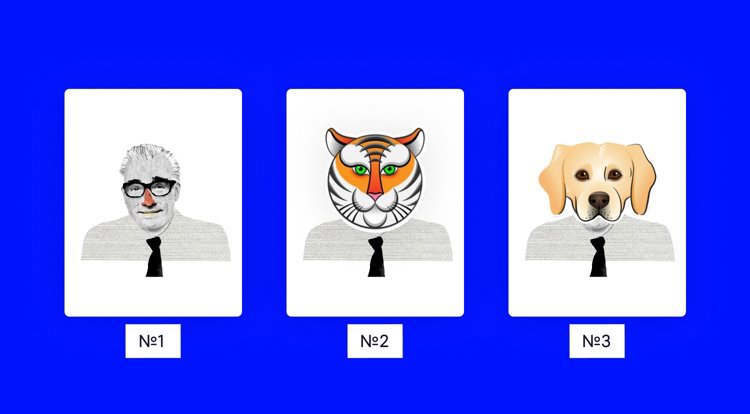
Students respond to words and phrases through gestures, instructions, mime and games.
TPR is often used with children, giving them a way to show understanding through action before they need to produce all the language themselves.
It is not limited to an in-person classroom. Maria, a children’s English teacher at Lingvaed, describes using actions and storytelling online.
9. A flipped classroom: prepare before meeting
The teacher provides material for students to study before the lesson, then plans class activities around it. Meeting time can focus on practice, questions and applying what learners have encountered.
Preparation might include a short video, a text or a suitable explanation. Give learners a clear task and a way to ask about anything they do not understand.
Putting approaches together
1. Look beyond claims of a revolutionary or unique method. Ask what learners will actually do and why that should help with their goal.
2. Understanding an approach's principles and limits makes it easier to choose suitable activities for an individual student or group.
3. You can combine approaches where they serve the learning. The useful test is whether the sequence helps these learners practise and develop, not how many method names the lesson contains.


