
Five B1 English Lesson Ideas to Adapt for Your Learners

These five themes can become B1 lessons with a clear language purpose. Each outline suggests a sequence; the practical prompts give you a starting point for your own tasks. Select or create the texts and recordings before teaching.
How to use these lesson ideas
Finding a topic is only the start of preparing a lesson. You also need a reason to talk, useful language and a task that lets learners use it. These five B1 lesson ideas show possible sequences. Use the outlines to prepare your own materials; they are not links to downloadable Edvibe lessons.
1. Barbie
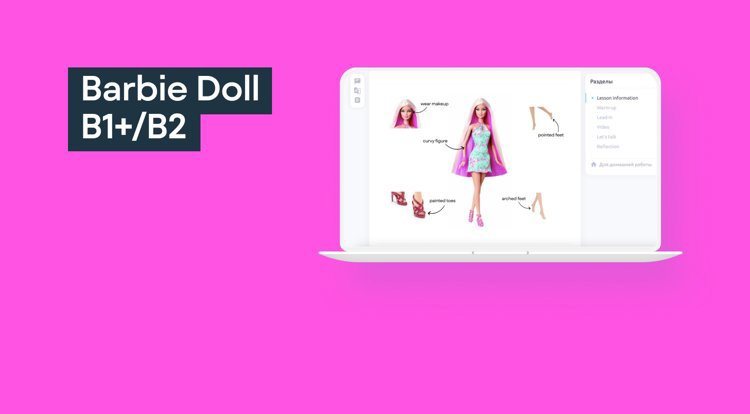
Based on the film, this lesson gives learners practice talking about childhood, describing appearance and making comparisons.
Lesson outline:
Warm-up
- A quiz with facts about Barbie.
Lead-in
- Questions about Barbie.
- A one-minute video about the film.
Video
- A two-minute video in which teenage girls discuss the doll and what she represents, introducing the target vocabulary.
- A task to identify correct statements about the video.
- Discussion questions.
Let’s talk
- Images illustrating vocabulary from the video.
- Discussion using as...as, more...than and less...than.
Reflection
- Questions to reflect on the lesson and what learners have covered.
Homework
- Practice with the expressions from the lesson.
- A video about changes in the Barbie doll, followed by quiz questions.
- Prepare a transcript or a short vocabulary list if learners need support.
Try this discussion: Ask learners to compare two childhood toys using as…as, more…than and less…than. Then ask: “Which would you recommend for a child today, and why?”
2. Happily Ever After
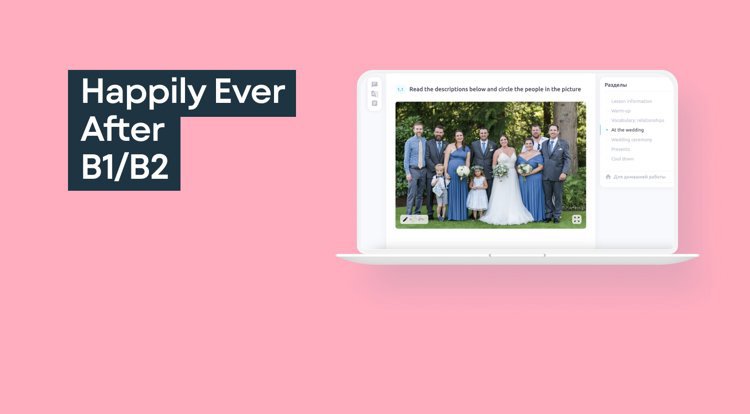
This lesson introduces wedding and relationship vocabulary, including pop the question, go on a honeymoon, get married, be engaged, get back together again and go on a date.
Lesson outline:
Warm-up
- A recorded wedding invitation using the target vocabulary.
- Discussion questions.
Vocabulary: relationships
- Example sentences and practice activities.
At the wedding
- People at a wedding: bride, groom, bridesmaid and others.
- Vocabulary practice.
Wedding ceremony
- Put the events of a ceremony in order.
- A two-minute video of wedding vows that do not quite go to plan.
- Discussion questions.
Presents
- A question about common wedding presents.
- Three audio messages about an unusual gift, with activities.
Cool-down
- Questions to reflect on the lesson.
A short speaking task: Give each learner an imaginary wedding invitation with a different problem: a difficult journey, an unsuitable present or a timetable clash. Ask pairs to explain the problem and agree on a solution. Include get married, be engaged and go on a honeymoon where they fit.
To extend the topic, ask learners to compare advice for a first date, meeting a new colleague and welcoming a neighbour. Which suggestions work in more than one situation?
3. A Secret in the Rockefeller Center Christmas Tree
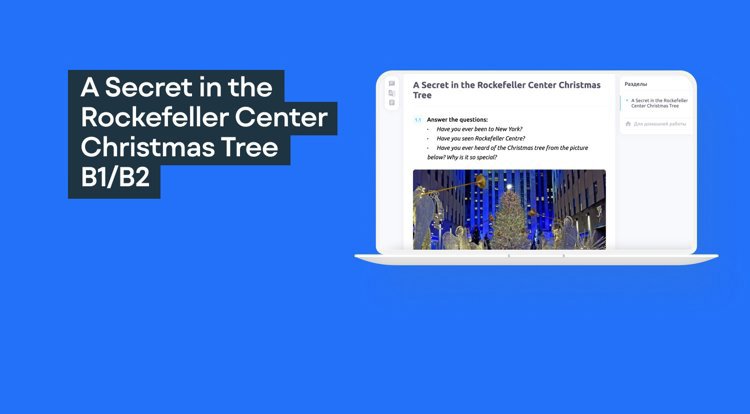
A short lesson on the difference between Present Perfect and Past Simple, with expressions such as call back, a clean bill of health, make sense and behind the scenes.
Lesson outline:
Warm-up
- Discussion questions.
Reading
- Expressions that appear in the text.
- A story about an unexpected discovery.
- Vocabulary and expression practice.
Grammar
- Questions leading into Present Perfect and Past Simple.
- Practice with the forms of the two tenses.
- Sentence beginnings to complete in Past Simple.
Speaking
- Invent an ending to the story.
Grammar prompt: Show these two sentences: “Someone has found a surprise in the tree” and “They found it yesterday.” Ask which sentence gives a finished time. Learners then invent what happened, first announcing the discovery and then telling its story with a specific time.
4. Relocation (social norms and advice for visitors)
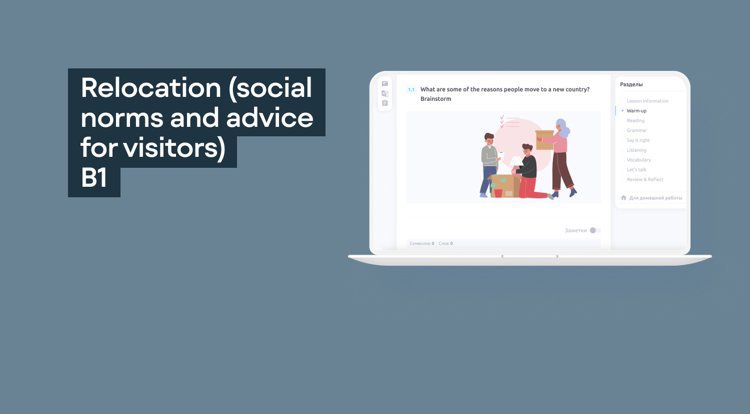
Learners discuss moving to another country, practise can, could and be able to, and work on the difference between adjectives ending in -ed and -ing.
Lesson outline:
Warm-up
- A question about how people feel when moving abroad.
- Suggested answers for the teacher.
Reading
- An introductory question.
- A text about relocation with can, could and be able to highlighted.
- Discussion questions.
- Suggested answers for the teacher.
Grammar
- A lead-in to can, could and be able to.
- An explanation.
- Practice activities.
Pronunciation
- Work on stressing content words. The second part can be assigned for homework.
Listening
- An introductory question.
- Speakers describing their experience of moving abroad.
- A gapped transcript leading into -ed and -ing adjectives.
- An activity to work out the rule.
- Discussion ideas.
Vocabulary
- Practice distinguishing -ed and -ing adjectives.
Speaking
- Situations to respond to using the lesson vocabulary.
Cool-down
- Questions for review, reflection and feedback.
Homework
- Further practice with can, could, be able to and -ed/-ing adjectives.
- Write a relocation guide using the lesson vocabulary.
Role-play: One learner has just moved to a new town and needs to travel to work, meet neighbours and find a language class. Their partner gives advice. Use can, could and be able to, then ask which suggestions sound helpful and which need more information.
5. Life Lessons
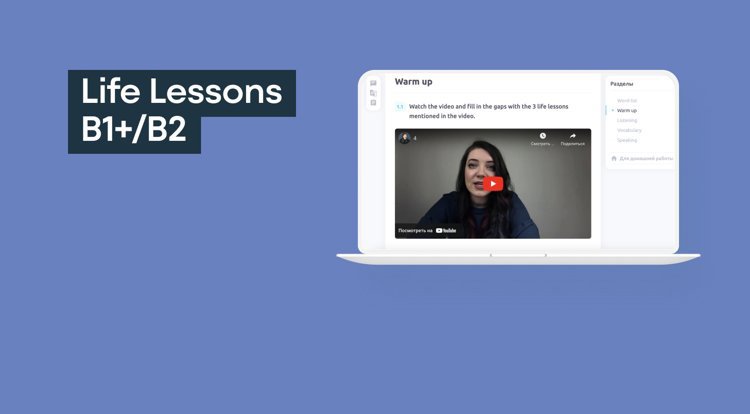
This lesson introduces vocabulary for describing experience, giving opinions, and agreeing or disagreeing.
Lesson outline:
Warm-up
- A one-minute video about life lessons.
- Practice with vocabulary from the video.
- Discussion questions.
Listening
- A text about American interior designer Iris Apfel.
- Questions about the text.
- Audio about ten ideas associated with Apfel’s success, with an identification task.
- A quiz on the details.
- Discussion questions.
Vocabulary
- Practice with words and phrases from the audio.
- Discussion using the target vocabulary.
Speaking
- Sort expressions of agreement and disagreement into columns.
- Use those expressions in discussion.
Homework
- A listening task with gaps in the transcript.
Discussion task: Offer three statements: “It is better to try and fail than never try”; “Advice from friends is more useful than advice online”; “People should change careers when they stop learning.” Ask learners to choose one, give a reason and respond to a different view using I see your point, but… or I agree because….
Choose one idea, prepare the input and build a short sequence: introduce the situation, practise useful language, then give learners a task that needs it. Edvibe’s lesson builder supports interactive activities, audio and video; preview your work before pinning it to a class.
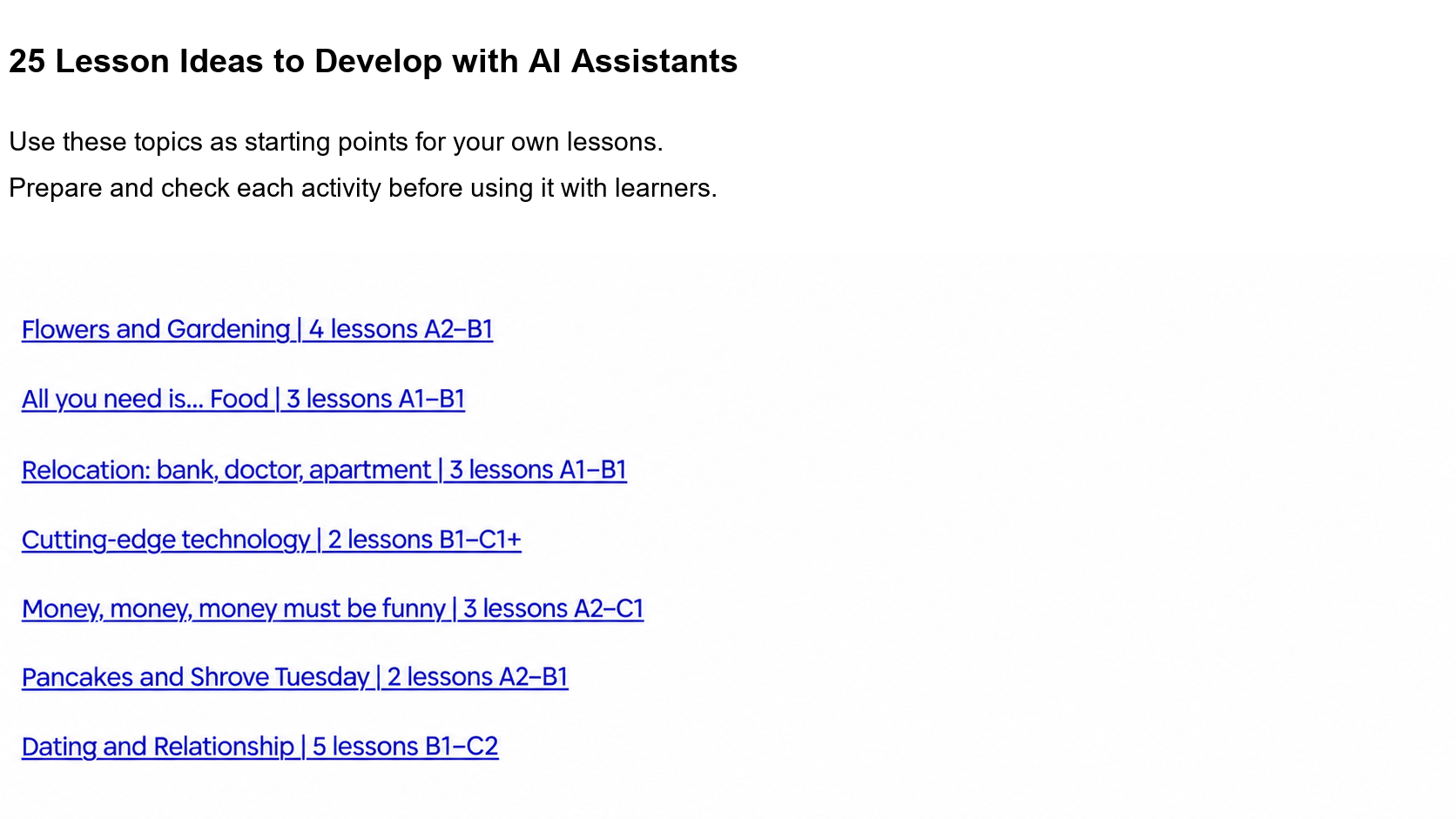
Use the examples as starting points rather than a promise that every topic suits every B1 learner. Check the vocabulary, references and discussion questions against the people in your class.


