
10 Ways to Review the Year with Your Students


A year-end review gives students a chance to see how far they have come and think about what they want to do next.
Teachers use many ways to look back on a year with their students. These ten activities combine reflection with writing, conversation and a record of the work learners have done.
1. A letter to your future self
Ask the student to write a free-form letter in the language they are learning, with wishes for their future self. They can describe the dreams and goals they are taking into the new year as if they have already come true, or predict what will change in their life. To make the letter easier to find next year, you can use a service such as FutureMe, which lets users schedule a future email.
2. A time capsule
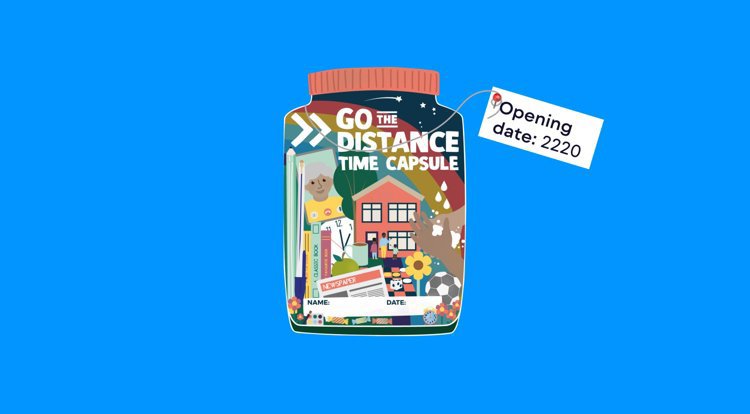
A time capsule has a slightly different purpose: it records what matters to someone now. Prepare questions about their favourite song, hobbies, dream job or biggest ambition. With older learners, you can ask what they are struggling with, what they have overcome, what they feel proud of or which lesson life has taught them. Looking back a year later can be revealing.
Agree to open the letter or capsule on the same date next year. You can also compare the writing itself to see how the student's language has developed.
3. Questions to ask yourself every year
Run an interview lesson with questions about the past year. You do not have to write every question yourself: there are plenty of annual reflection question lists online. Record or write down the answers with the student's agreement so you can repeat the lesson and compare them next year.
4. Interactive reflection on Wordwall
One teacher shared this Wordwall resource, which turns year-end reflection questions into interactive activities. It gives students the same opportunity to look back, with game mechanics and language practice built into the format.
5. Year-in-review booklets
Look for a My Year in Review booklet that helps learners reflect on the year and plan the next one. A single page may be enough for children and teenagers; adults may prefer something more detailed. One teacher recommended YearCompass, a booklet of reflection questions and exercises.
6. A soundtrack to the year
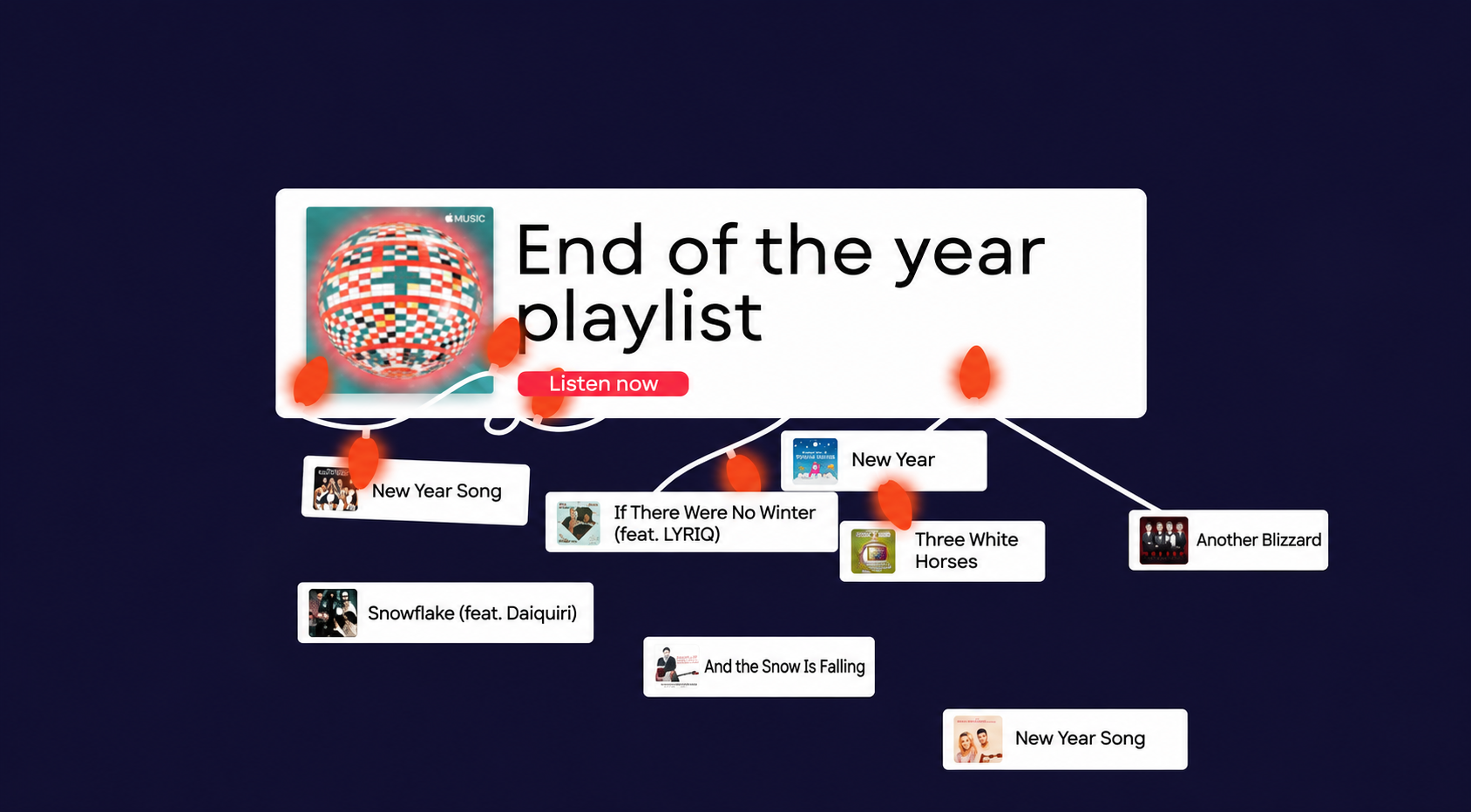
Ask students to make a playlist of five to ten songs that reflect their year. They can write a paragraph explaining the mood of the playlist or the events connected with particular tracks. They could give it a title and, if they want to, share it with friends or on social media.
7. An awards ceremony
This is a short activity for a group. Give every learner a playful award that recognises something particular about them. You can even invite acceptance speeches, as at the Oscars. If you are considering starting group lessons, see this article.
8. Rate the year's learning
Make a list of topics, grammar points and lessons you covered together. Add funny or memorable classroom moments if appropriate. Ask the student to rate each one out of ten and explain the score. Present Perfect may or may not come out well in the rankings.
9. The year in numbers
Show the learner what they have done: topics covered, grammar practised, vocabulary learned and skills developed. Use records or examples of work so the numbers describe real progress.
10. Thank-you cards
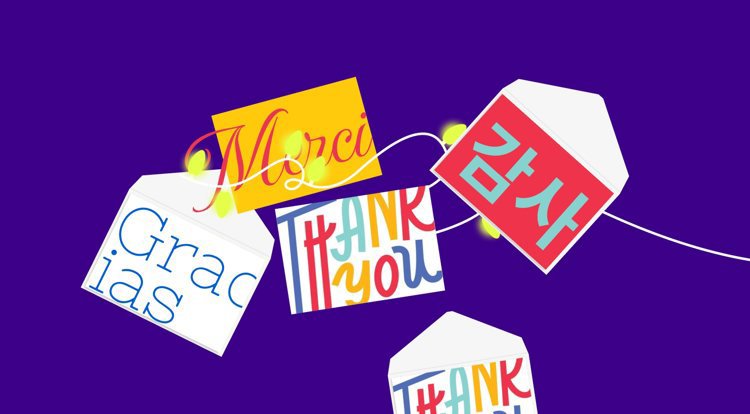
At the end of the year, invite students to thank the people who made it better. Group members can write cards to one another. In an individual lesson, the learner can write to people close to them.
For a themed reflection lesson, use Mindful New Year as a starting idea: combine questions about the year with vocabulary for future plans. Prepare your own prompts and add the tasks to your class. Explore Edvibe lesson tools.


